Retro Kinds: Vintage Charm for Modern Design
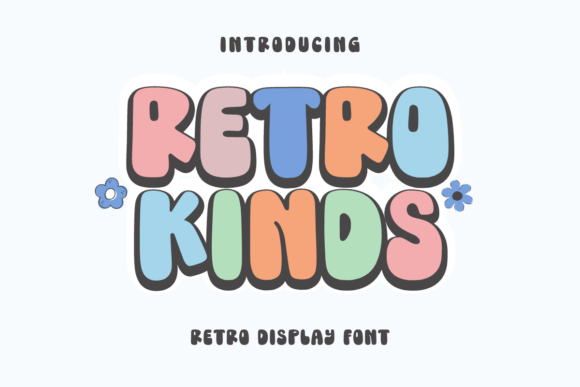
In the fast-paced world of digital design, there is a growing appetite for aesthetics that feel grounded, familiar, and warm. This is where Retro Kinds enters the conversation. It is not merely a collection of letters; it is a retro styled font that effortlessly combines nostalgia and creativity to create a unique typeface. For designers and hobbyists alike, finding the right typographic voice can be the difference between a project that blends into the background and one that captures attention. Retro Kinds offers a distinct visual language that speaks to the past while serving the functional needs of the present.
Understanding whether this typeface aligns with your specific goals requires looking beyond its aesthetic appeal. Different creators prioritize different attributes. A small business owner might value brand consistency, while a hobbyist crafter might prioritize ease of application on physical goods. By examining how various audiences interact with this tool, you can better determine if it fits your creative toolkit.
The Appeal of Nostalgia in Contemporary Projects
Nostalgia is a powerful emotional trigger. It connects viewers to memories of simpler times, creating an immediate sense of trust and comfort. Retro Kinds leverages this psychological connection through its curved lines and vintage-inspired structures. However, the utility of this font extends far beyond simple sentimentality. It serves as a versatile asset for those looking to inject personality into their work without sacrificing readability.
For marketers and bloggers, the challenge is often cutting through the noise of minimalist, corporate-style typography. Using a font with character can humanize a brand. When used in social media graphics or blog headers, Retro Kinds signals approachability. It suggests that the content behind the text is friendly, curated, and thoughtful. This is particularly effective for lifestyle brands, wellness coaches, and independent publishers who rely on building personal connections with their audience.
Practical Applications for Makers and Crafters
One of the most compelling use cases for this typeface lies in the realm of physical products. The prompt notes that it is perfect for creating fun T-shirt designs, inspirational quotes, or customizing your mugs and glasses. For the DIY enthusiast or the small-scale entrepreneur selling on platforms like Etsy, the technical performance of a font is just as important as its look.
- T-Shirt Designs: The bold strokes of Retro Kinds hold up well against fabric textures. Whether screen-printed or heat-pressed, the letters remain distinct and legible, making them ideal for statement pieces.
- Home Decor: When customizing mugs and glasses, clarity is key. The unique style ensures that names, dates, or short phrases stand out, adding a personalized touch that mass-produced items lack.
- Packaging Needs: Choose Retro Type for your home crafts or packaging needs, and inject a little vintage charm into your projects. Handmade soaps, candles, or baked goods benefit from labels that feel artisanal rather than industrial.
For these users, the priority is often ease of use. They may not have advanced graphic design skills, so a font that looks professional with minimal adjustment is invaluable. Retro Kinds allows beginners to achieve a polished look without needing to manipulate complex vector paths.
Strategic Value for Professionals and Entrepreneurs
While hobbyists appreciate the aesthetic, professionals evaluate tools based on commercial value and flexibility. For graphic designers working with clients in the food, beverage, or fashion industries, Retro Kinds offers a specific stylistic niche. It is not a universal solution for every corporate report, but it is a specialized tool for brands wanting to evoke heritage, quality, or playfulness.
Consider a local coffee shop rebranding itself. They might use Retro Kinds for their menu boards and loyalty cards to create a cozy, neighborhood feel. In contrast, a tech startup would likely avoid it. Understanding this context helps professionals advise their clients correctly. The font’s strength lies in its ability to tell a story quickly. With its unique style, Retro Kinds is a font that makes your creations stand out in crowded marketplaces where visual differentiation is critical for survival.
Freelancers and agencies also consider licensing and versatility. Can this font be used across web, print, and merchandise? If the answer is yes, it becomes a cost-effective asset. Instead of purchasing multiple fonts for different retro eras, a well-designed typeface like this can cover a range of vintage-inspired projects, from 1950s diner styles to 1970s bohemian vibes.
Educational and Community Uses
Educators and community organizers often overlook typography as a teaching or engagement tool. However, visual materials play a significant role in learning retention and event promotion. Teachers creating classroom decorations or historical presentations might use Retro Kinds to visually anchor lessons in a specific time period. It provides a tangible link to history, making abstract concepts more relatable for students.
Similarly, non-profits organizing community fairs or vintage markets can use this font to create cohesive branding for flyers and banners. The inclusive nature of the design means it appeals to a broad demographic, from older generations who recognize the style from their youth to younger audiences who appreciate the "retro" trend as a fashion statement. This cross-generational appeal is a rare and valuable trait in design assets.
Evaluating Fit: Is Retro Kinds Right for You?
Deciding to incorporate a new font into your workflow should be a deliberate choice. To help you identify whether Retro Kinds matches your own goals, skill level, needs, or project type, consider the following factors:
- Project Tone: Does your project require a serious, authoritative tone, or does it benefit from warmth and whimsy? Retro Kinds leans towards the latter. It is ideal for projects that want to feel inviting and creative.
- Medium: Are you designing for high-resolution print or digital screens? This font performs well in both, but its true strength shines in physical applications like apparel and packaging where texture and tactile experience matter.
- Audience Expectations: Who are you trying to reach? If your target audience values authenticity and craftsmanship, this typeface aligns with their values. If they prefer sleek, futuristic minimalism, it may clash with their expectations.
- Skill Level: Beginners will find it forgiving due to its inherent character. Experienced designers will appreciate its potential for layering and mixing with sans-serif fonts to create dynamic compositions.
It is also worth noting that while the font is versatile, it should not be overused. Best practices suggest using Retro Kinds for headlines, logos, and short statements rather than long body text. Its decorative nature can become fatiguing if read in large blocks. Pairing it with a clean, neutral sans-serif font for supporting text creates a balanced hierarchy that guides the reader’s eye effectively.
Conclusion: Embracing Creative Identity
In a digital landscape saturated with generic templates, choosing a distinctive typeface is an act of creative assertion. Retro Kinds offers more than just a visual style; it provides a pathway to connect with audiences on an emotional level. Whether you are a small business owner looking to differentiate your packaging, a blogger aiming to add personality to your posts, or a hobbyist creating gifts for loved ones, this font offers the flexibility and charm needed to elevate your work.
By understanding the specific strengths of this typeface and aligning them with your project goals, you can make informed design decisions that enhance both the aesthetic and functional quality of your creations. The key is to use it intentionally, allowing its vintage charm to support your message rather than overshadow it. In doing so, you ensure that your projects not only look good but also resonate deeply with those who experience them.